
Blog
Summer Family Travel Guide: How to Turn Every Outing into a Growth Lesson for Kids
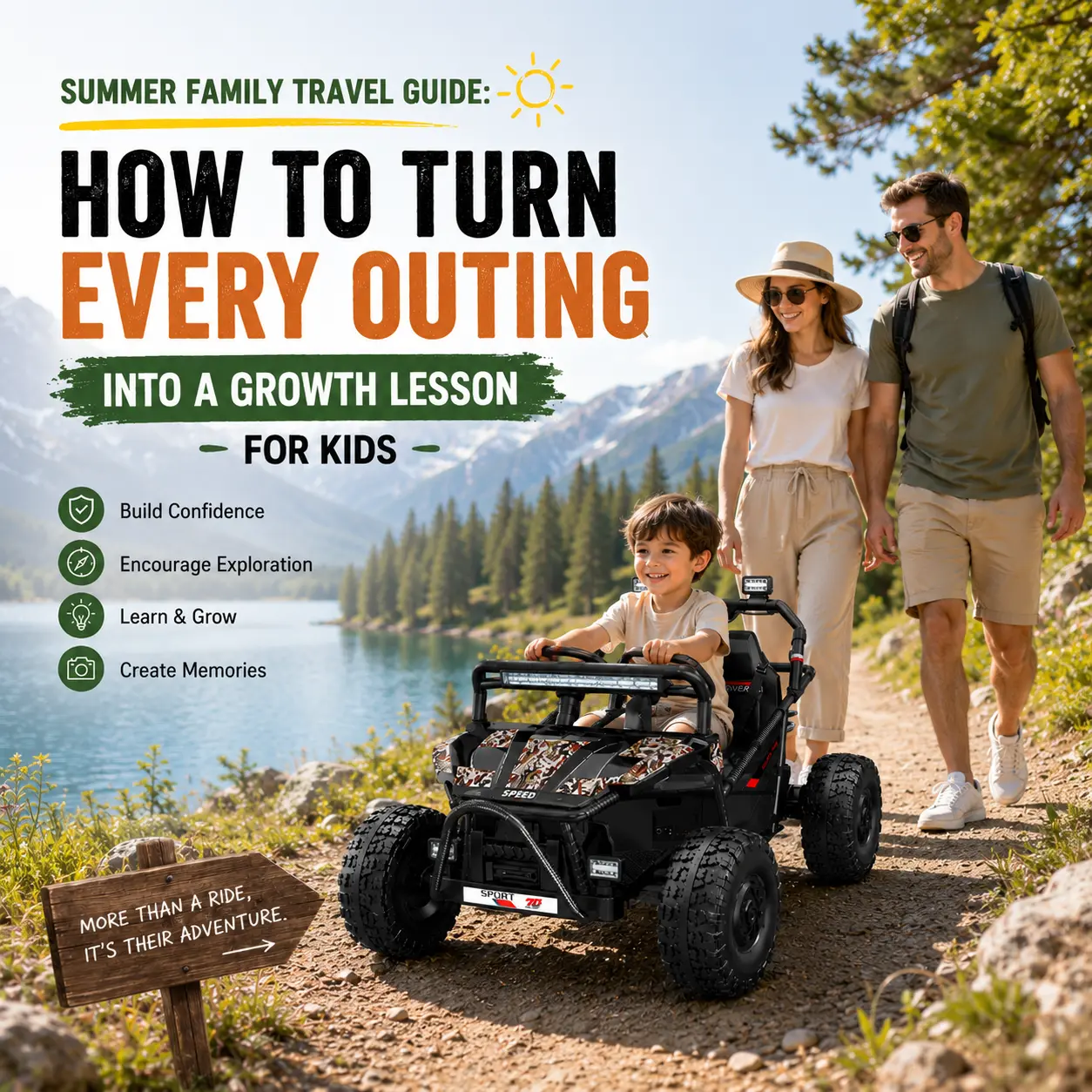
Summer is finally here, and with it comes the much-anticipated time for annual family adventures. However, many parents share a common struggle: the feeling that taking children on a trip is less like a vacation and more like transporting heavy, temperamental luggage. Between the constant “Are we there yet?” and the inevitable meltdowns, it’s easy to wonder if the stress is actually worth the effort.
But what if you shifted your perspective? Travel shouldn't just be about sightseeing; it should be an immersive classroom. When approached correctly, a Family vacation becomes a golden opportunity for children to practice planning, navigate new environments, and manage their own emotions. Here is how you can transform your next family outing into a hands-on adventure that builds character and confidence.
I. Preparation: Moving from “Passive Passenger” to “Active Participant”
Children often act out during trips because they feel like passive bystanders. They have no agency, no schedule, and no input, which naturally leads to boredom and irritability. To change this, you must invite them to the planning table as full-fledged partners.
1.Offer Limited-Choice Empowerment: Asking “Where do you want to go?” is overwhelming and leads to indecision. Instead, provide structured Vacation ideas. For example: “Would you rather explore the open meadows of the local park or the paved, obstacle-free trails of the historical district?” By choosing, your child becomes a stakeholder in the journey rather than just a spectator. This simple shift in language transitions them from a state of mindless following to one of conscious participation.
2.Assign Meaningful Roles: Assign your child a “job.” Whether they are the designated “Lead Navigator” responsible for checking the map or the “Chief Photographer” tasked with documenting interesting landmarks, these roles create a sense of duty. When a child has a responsibility, their focus shifts from “what can I get out of this?” to “how can I contribute to our success?” This subtle shift is the foundation of goal-oriented thinking and long-term academic success.
3.The “Pre-Trip Briefing”: Treat your departure like a mission. Sit down with your child to discuss the “why” and “how” of the trip. Explain the geography, the goal, and the expected behaviors. This transparency fosters a sense of mutual respect and significantly reduces the anxiety of the unknown, making the child feel like a valued member of the family team.
II. The Ride-On car as a “Safety Shield”
Summer is a season of Outdoor activities for kids, but it also carries risks, especially near water. Ponds, lakes, and rivers are high-risk areas during the summer months, often characterized by slippery mud, unstable banks, and unpredictable depths. However, once children develop a liking for ride-on car, they will naturally stay away from dangerous waters.Just arrived: The 1970 Dodge Charger R/T 24V ride on car. Featuring classic styling and a wide range of functions, it is the perfect choice for outdoor fun and adventures.
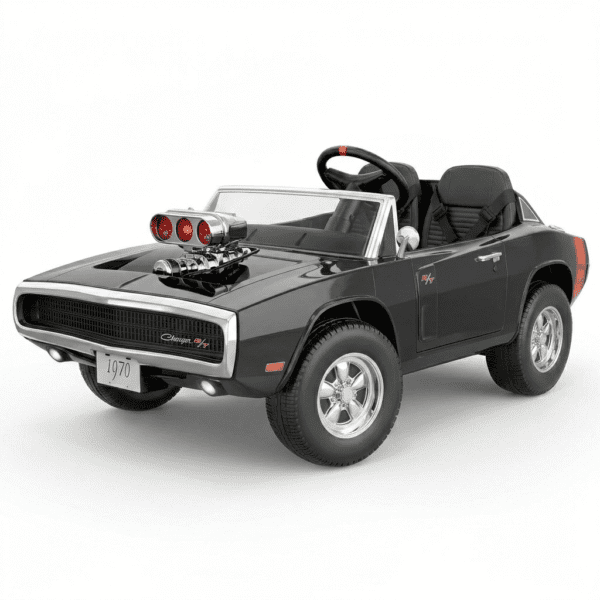

1.The Incentive for Safety: Children naturally prefer the smooth, paved surfaces where their First Ride On vehicle performs best, which acts as a natural “filter” to keep them away from muddy or treacherous paths near the water. By leveraging this, you can guide them to stay in safe, open areas through their own preference for a smooth ride, turning proactive safety management into a rewarding experience rather than relying on constant parental restriction.
2.Establishing Physical Boundaries: A ride-on car effectively sets a perimeter. When a child is driving within your line of sight on a designated flat path, you are not just managing their location; you are creating a “safety zone.” This creates a clear physical boundary between them and any nearby water, allowing you to relax and enjoy the trip as well.
3.Encouraging Spatial Awareness: Beyond safety, driving teaches spatial awareness. As they learn to judge the width of a path or the distance to an obstacle, they are sharpening their perception of the physical world. This is a vital developmental milestone that translates into better coordination and confidence in other aspects of their physical growth.
III. Advanced Play: Sparking Autonomy through Exploration
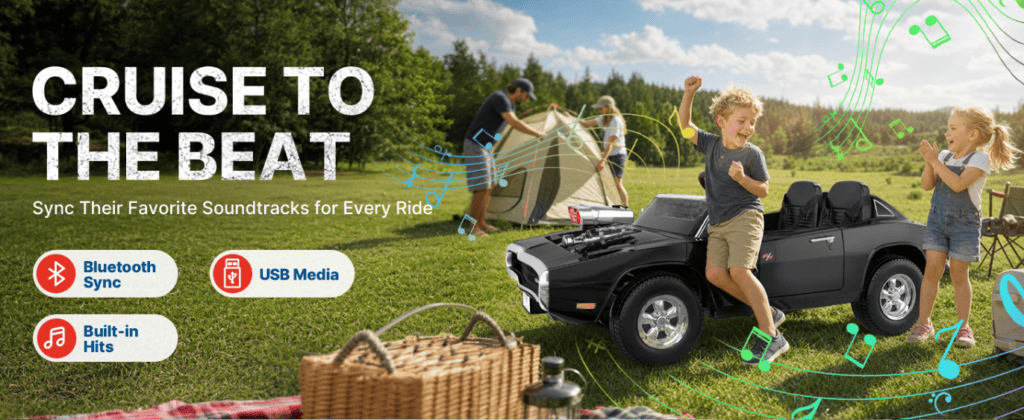
When an outing is framed as an “exploration challenge” rather than a passive walk, children become the true protagonists of their own adventure. By setting creative interactive tasks, we can empower them to take responsibility for their experience, whether you are at a local park, wandering through a neighborhood, or on a weekend getaway.
1.Execution of the “Micro-Navigator” Role: Instead of having children follow your lead, equip them with a simple hand-drawn map or a navigation app on your phone. Give them the title of “Chief Navigator” and say, “For the next hour, you are in charge of our route. We need to reach that landmark or that big tree ahead—which path would you choose?” This decision-making power provides a sense of control. As they plan the route, they naturally evaluate the terrain, distance, and obstacles, practicing environmental judgment and logical thinking in a real-world setting.
2.Launching the “Travel Reviewer” Challenge: Transform the outing into a personal “environment assessment” filled with great Vacation ideas. Give the child specific missions, such as: “Pick out the most interesting bench we pass by today,” “Rate a sculpture in the plaza or a quirky storefront and tell me why,” or “Find the best shady corner for a break along our route.” This shifts their focus from passive wandering to active evaluation. By developing their own standards of comfort and aesthetics, children become more engaged with their surroundings and are naturally drawn to notice the unique details around them.
3.The “Scene Director” Creative Task: Turn Outdoor activities for kids into a creative opportunity by letting your child take charge. Instead of just posing, invite them to be the “Scene Director” and independently decide where to capture the most beautiful view or memorable spot. By letting them choose the framing and direct the shot, you empower them to take full ownership of the process. This active decision-making strengthens their autonomy, transforming them into creators of their own travel memories rather than passive participants in your Vacation ideas.
IV. The Parent’s Toolkit: Mastering the Art of “Invisible Guidance”
If you want to turn travel into a growth lesson, you must adjust your own management style. Over-parenting often suppresses the very independence you are trying to cultivate.
1.Embrace the “Learning Moments”: When your child feels frustrated, avoid the reflex to simply soothe them. Instead, use these instances as coaching opportunities to build their emotional resilience. Guide them to trace their frustration back to its root cause, collaborate on a solution to that underlying problem, and then process the resulting emotions. By moving beyond surface-level mood management and focusing on resolving the source of the issue, you empower them to navigate their own feelings—ultimately demonstrating your firm belief in their capability to handle their own emotions.
2.Coach Through Conflict: If you encounter a crowd or a narrow path, don't just clear the way for them. Ask, “How do we navigate this safely without bumping into others?” This forces them to observe their environment and make a judgment call, building the social skills they will need in school and beyond for future Outdoor activities for kids.
3.The Power of Positive Reinforcement: When your child successfully maneuvers around an obstacle or follows a direction without being asked, offer specific, descriptive praise. Don't just say “Good job.” Say, “I saw how you checked behind you before turning; that was very safe driving.” This reinforces the specific behavior you want to see repeated.Once your child has mastered driving skills, why not reward them with the First Ride-On 36V 2-Seater Off-Road UTV? Its sturdy metal frame and powerful 36V motor make it perfect for adventurous kids.


V. Conclusion: Memories Are Built on Growth
The best souvenir you can bring home from a summer Family vacation isn't a plastic toy or a trinket—it’s a more capable, confident child. When you turn a simple outing into a structured adventure, you are teaching them life skills that go far beyond the driveway.
Every time they confidently grip the steering wheel on a smooth, safe path, they are practicing independence. They are learning that they have the power to shape their own experience, to avoid risks, and to work within the rules of the world. This summer, pack your First Ride On, choose your path wisely, and give your child the gift of a real-world adventure. Let them move beyond the screen and into a world where they are the drivers of their own success. By investing this time now, you are building a foundation of resilience and curiosity that will last long after the summer ends, supported by your best Vacation ideas.