
Blog
An Active Parenting Guide to Back-to-School Readiness
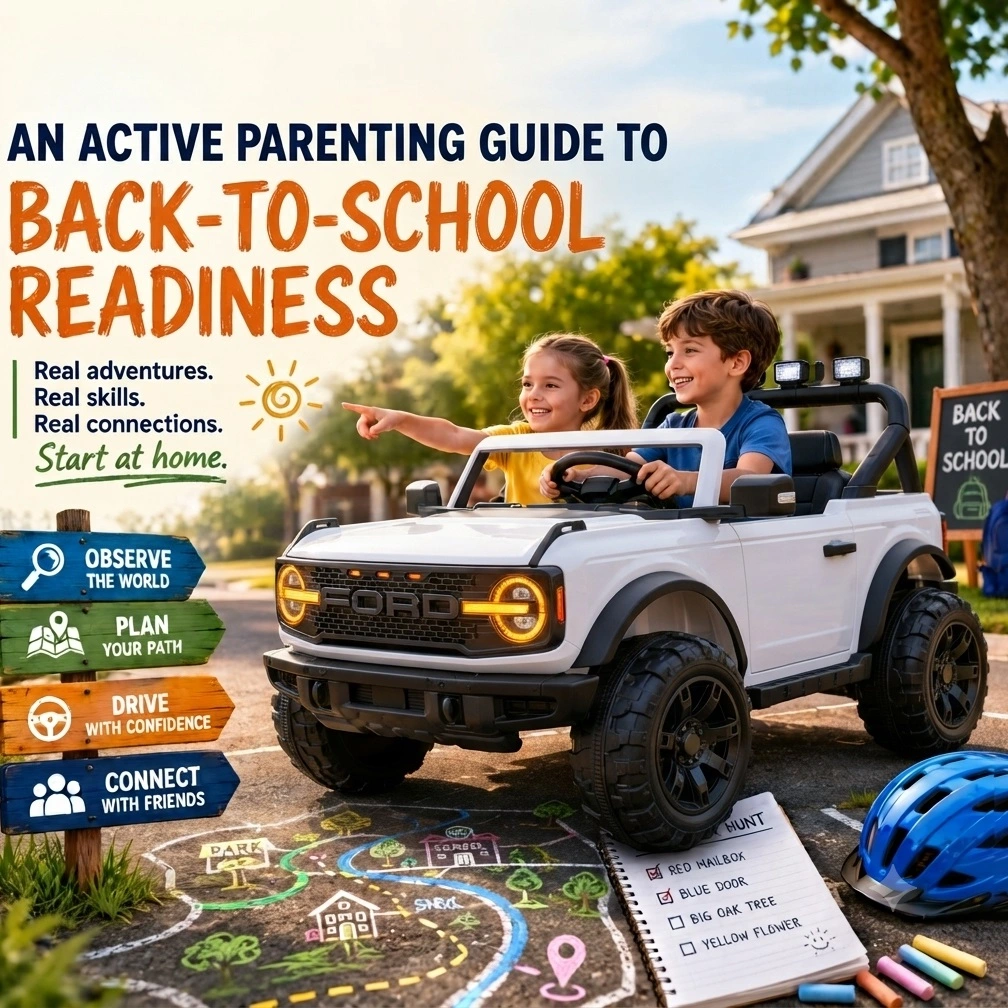
As the school year approaches, many parents notice a common problem: the “summer slump” where kids spend all day on their screens. Getting children ready for school isn't just about setting rules or cutting off their games; it is about finding ways to make the real world just as fun and engaging as the digital one.
This guide focuses on “active parenting”—moving from just supervising your child to playing and learning with them. By using these simple, hands-on activities, you can help your child step away from the screen and get their mind ready for the focus and social requirements of the new school year.
I. Breaking Digital Dependence: A Three-Phase “Reality Reset”
Transitioning from the instant, high-speed feedback of a video game to the classroom is difficult for any child. To bridge this gap, you need to help their brain “reset” to the real world. Try these three activities to boost their cognitive function and focus:
Phase I: The Neighborhood Scavenger Hunt (Focus on Observation) Take a walk with your child and make a list of things to find—a red mailbox, a specific type of oak tree, or a house with a blue door. Why this works: Screen time makes children passive. A scavenger hunt makes them active hunters. Instead of letting them use a phone to take pictures, have them use a notepad and pencil to track what they see. This simple physical act helps train their brain to notice small details and stay focused. When they are constantly scanning the environment for a specific target, they are building the “selective attention” skills they will eventually use to listen to a teacher or follow complex verbal instructions in class.
Phase II: Backyard Community Map (Focus on Logical Planning) Use chalk on your driveway or a large sheet of paper to draw a map of your neighborhood. Help your child mark the key spots—the school, the local park, a friend’s house, or the grocery store. Then, ask them to figure out the best route to get from one place to another. Why this works: This turns your child into a “city planner” and forces them to think about distance, direction, and navigation logic. You can add complexity by asking, “If the main road is blocked, what’s our backup route?” This builds their ability to plan, organize, and execute a task—the backbone of academic success. By visualizing their world on paper, they are learning how to break a big goal down into smaller, manageable steps, which is exactly how they will tackle homework assignments later.

Phase III: The Real-World Test (The Ride-On Challenge) Turn your map into a “navigation mission.” Have your child drive their First Ride On vehicle to “travel” between the spots they marked on the map. Why this works: This turns a simple game into a practical, task-based mission. Driving requires them to steer, watch their speed, and pay attention to where they are going. This real-world practice is the best way to break the habit of passive screen time because it forces their brain to stay alert and active. They are physically navigating a space, which grounds their attention span and prepares them for the structured, physical reality of the school environment. It teaches them that their actions have immediate, real-world consequences, such as avoiding a garden hose or stopping at a “stop sign” you’ve drawn in chalk. The Ram 1500 RHO 24V Ride-On Truck delivers an authentic driving experience.


II. How Ride-On Toys Help Kids Develop Real-World Skills
When children use a First Ride On vehicle to complete these games, they are doing much more than just playing—they are learning how to take charge of their environment.
Unlike video games, which provide entertainment without effort, driving a vehicle requires constant decision-making. When a child makes a turn, they have to judge the distance and speed of the vehicle. When they see an obstacle, they have to decide how to avoid it. This gives them a sense of power and control. As they prepare to start a new school grade, this confidence—knowing they can handle a task and succeed—is exactly what they need for the classroom. They are learning that they have the agency to change their situation. If they find themselves in a “traffic jam” on the driveway, they have to use their problem-solving skills to figure out a way around it. This is the foundation of independence.
III. Social Skills: The “Playdate” Advantage
For many children, the start of a new school year brings social stress. Instead of parents worrying about how to organize “perfect” playdates, true social confidence actually starts when a child knows how to make connections on their own.
Think of your child’s ride-on vehicle as a portable “social hub.” When they drive their First Ride On vehicle outside, it becomes a natural conversation starter. Other kids will naturally gather around and ask, “Can I see it?” or “How fast does it go?” These simple questions are the seeds of new friendships.
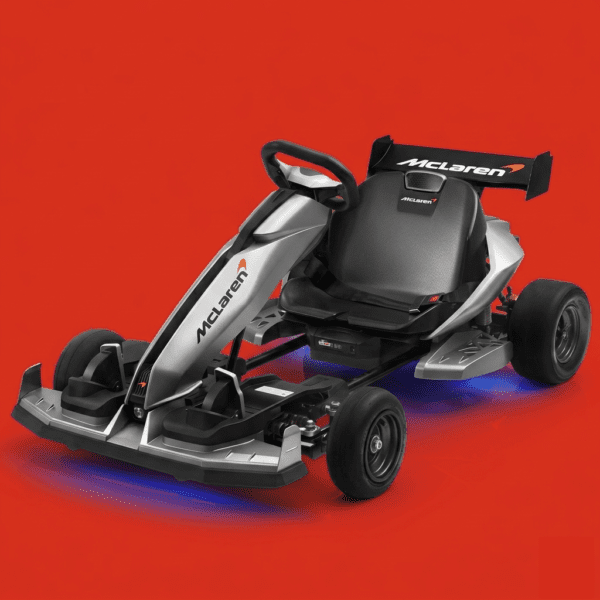
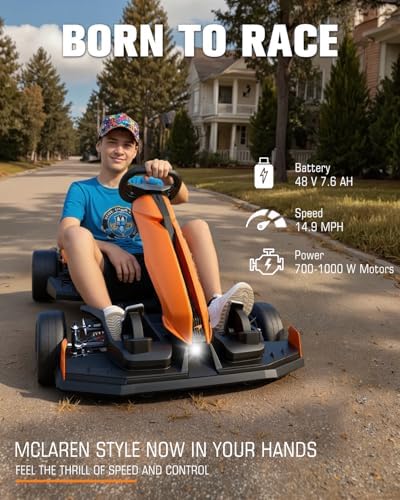
This also gives your child an easy reason to invite a classmate over—”Do you want to come over after school to test out my new race track?” This is a much more natural way to make friends than a formal, scheduled visit. By using their vehicle to connect their home and their school life, your child stops waiting to be invited and starts being the one to invite others. Furthermore, playing with friends in the backyard teaches them about fairness and rules. When they have to take turns driving the vehicle, they learn the fundamentals of sharing, negotiation, and cooperation—all of which are vital social muscles they will need to flex once they return to the playground and the classroom. McLaren 48V Drift Go-Kart for big kids: Its incredibly cool design makes it an instant favorite among kids.
IV. Quick Tips for Parents: How to Coach, Not Control
To make these activities work, keep these simple rules in mind to ensure your time together is helpful and supportive:
- From “Supervisor” to “Partner”: Instead of just giving orders, try to act more like a partner. Invite your child to be a “Test Pilot” for their new navigation route. By giving them the lead role, you make the activity feel like a team mission rather than just a task you are forcing them to do. Ask them, “What should our next stop be?” instead of telling them where to go.
- Celebrate Small Wins: Real-world play is often harder than digital games. Praise them for specific things—like being patient when drawing their map or staying focused while driving. Recognizing their hard work builds confidence and helps them understand that learning is a process, not just about getting the right result.
- Practice “Invisible Guidance”: Give your child space to handle smallproblems while driving. If they bump into a minor obstacle, resist the urge to jump in and fix it for them. Stepping back allows them to learn independence and problem-solving. They learn much more from fixing a small mistake than they do from following perfect instructions.
- Use Tech as a Teaching Tool: If your vehicle has a remote, don't use it just to control the child. Use it as a teaching tool. Playfully guide them through traffic rules like “stop” for a red light or “yield” at an intersection. This makes learning safety rules feel like an interactive game rather than a lecture.
- The Art of “Social Leeway”: When other kids come over, try to step back. Give the children the space to work out their own conflicts or decide who gets to drive next. This is a very important way for them to practice communication and negotiation. Your role is simply to provide a safe place to play, not to manage every moment. If a conflict arises, wait a few seconds before stepping in to see if they can solve it themselves.
V. Conclusion: Adventure Starts at Home
The back-to-school season does not have to be a stressful time of strict schedules and pressure. By using active play, you can cut down on screen time and get your child feeling confident and ready for success in the new school year.
From now on, look at every afternoon as a chance to connect with your child. When they spend time driving, planning, and socializing in the real world, they aren't just playing—they are building the skills they need to explore the future.